
Ich Happens: A Pond Owner's Guide to White Spot Disease
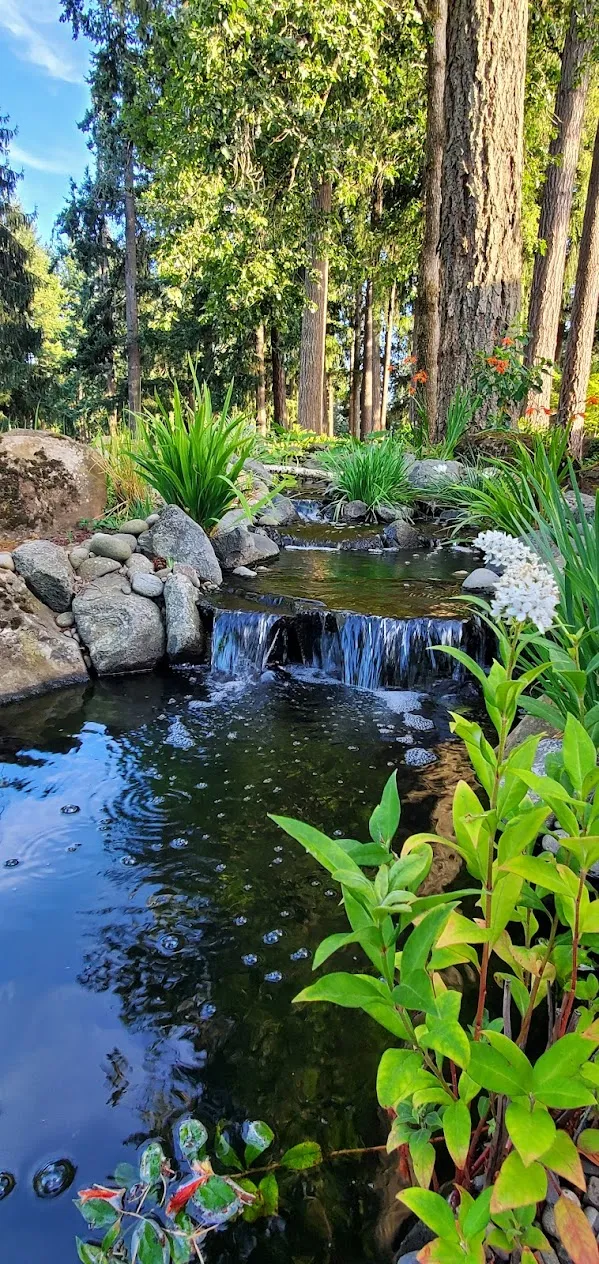
The salt-shaker look
Sooner or later, everyone who keeps fish meets ich. Aquarium, koi pond, the goldfish your kid won at the fair — it doesn’t discriminate. One week the fish are fine; the next they’re dusted with tiny white grains, as if someone leaned over the water with a salt shaker.
Here’s the twist: the parasite that makes fish look salted is beaten by actual salt. Not a prescription, not a specialty import — the plain crystals in the water-softener aisle.
The most common thing a fish can catch
Ich — short for Ichthyophthirius multifiliis, which roughly translates to “fish louse with many children” (an honest name, as you’ll see) — is the common cold of fishkeeping. It’s everywhere fish are: pet shops, ponds, most natural waters. It usually hitches in on a new fish or plant, then waits for an opening.
The opening is stress. A sudden cold snap, crowding, a water-quality slump — anything that knocks a fish’s immune system down a notch is ich’s invitation. The most common invitation of all is a new fish added straight to the pond — which is why the pet store has been telling you to quarantine new arrivals all along.
A case of ich is very treatable. Ignored, it isn’t a cosmetic problem — the parasite chews on gills, and a heavy infestation can take out a pond’s worth of fish. The difference between those outcomes is mostly knowing what you’re looking at.
Why you can’t just zap it
Each white spot is a parasite burrowed under the top layer of the fish’s skin, feeding in a little armored dome. While it’s in there, nothing you pour into the water touches it. That one fact explains everything else about treating it.
After a few days of feeding, the parasite punches out, drops to the bottom, and seals itself into a cyst — where it divides into hundreds of copies (“many children”). Those copies emerge as free swimmers with roughly two days to find a fish or die.
That free-swimming stage is the only point in the whole cycle where treatment can kill it. So you’re not really treating the fish — you’re patrolling the water, waiting for each generation to leave its armor. Warm water runs the cycle in under a week; cold water can stretch it to a month or more. That’s why every ich cure that works comes down to the same two ingredients: something in the water, and patience.
The cure in the water-softener aisle
The protocol below comes from Dr. Erik Johnson, a koi vet whose write-ups are a standard reference among pond keepers — and it’s what koi owners have used on their own ponds for decades. Salt, dosed carefully, to 0.3%:
- Use plain salt. Pure sodium chloride with no iodine and no anti-caking additives — solar salt or plain water-softener crystals. The ingredient label should say salt and nothing else.
- The target is 0.3% — about 2.5 pounds per 100 gallons (25 pounds per 1,000). For small volumes, the kitchen shorthand is a scant tablespoon per gallon, total.
- Add it in thirds, 12 hours apart. Pre-dissolve each dose in a bucket of pond water and pour it in around the edges. The gradual ramp is what keeps the fish and the filter comfortable.
- Turn the aeration up. Warm, salted water holds less oxygen, and ich picks on gills — the fish need all the air the pond can give them.
- Plants come out first. 0.3% is harder on most aquatic plants than it is on the fish; move the ones you care about to a tub for the duration.
- Spots gone is not done. The spots you can see are the protected stage — disappearing spots just mean a generation left the armor. Keep the salt at strength for three to five days after the last spot, longer in a cool pond. In warm water the whole campaign typically clears in about a week; in a chilly Oregon spring, give it two or more.
- Then remove it the same way it went in — gradually, with partial water changes of 30–40% at a time.
Two practical notes. A cheap salinity meter takes the guesswork out of dosing a big pond. And if you’re wondering whether ich shrugs off salt the way germs shrug off overused antibiotics — Dr. Johnson notes that salt-resistant ich has never been documented. The water-softener-aisle cure keeps working.
When salt is off the table
A heavily planted pond changes the math — pulling every plant may be worse than skipping the salt. For those situations there are over-the-counter treatments built on formalin and malachite green (Ich-X pond strength and Microbe-Lift BSDT are the common ones). They typically do the job, but they’re real chemicals: follow the label exactly, dose by actual pond volume, and note they’re not for fish anyone intends to eat — not a concern for koi, but worth saying out loud. Salt first when you can; the bottle when the situation calls for it.
Cheaper than any cure
Every case of ich is easier to prevent than to treat, and prevention is refreshingly unglamorous:
- Quarantine new arrivals for two to three weeks before they meet your pond — longer in cold water, when ich’s clock runs slow. It’s the number-one way ich gets in, and the quarantine tub doubles as a place to watch your new fish settle.
- Keep the stress down. Steady water quality, sensible stocking, and food matched to the season do more for fish immunity than any additive.
- Build the buffer in. Depth evens out temperature swings, good circulation and aeration keep oxygen steady, and real filtration keeps the water from slumping in the first place. Healthy fish in a stable pond mostly just don’t get ich, even when it’s around.
When to call a fish vet
Yes, fish veterinarians are real, and good ones are worth knowing about. If a valuable collection is on the line, if outbreaks keep coming back, or if you’re not certain the spots are ich at all (a few other conditions mimic it), a vet with a microscope turns guesswork into a sure answer. The American Association of Fish Veterinarians keeps a find-a-fish-vet directory — a good bookmark for any serious koi keeper.
The fine print, plainly: this article is general information for pond owners, not veterinary advice — we’re landscapers, not veterinarians. The protocols above are summarized from published veterinary sources, for owners caring for their own fish. For diagnosis or treatment of your fish — especially a valuable collection — consult a licensed veterinarian, and always follow product label directions.
And when to call us
Here’s the part we can speak to from our own lane: almost everything on the prevention list is built into a pond — or isn’t. Depth, circulation, aeration, filtration sized to the fish load, and the steady care that keeps a system stable are decisions made long before any white spot shows up. We don’t doctor fish — we design, build, and maintain the ponds they stay healthy in, from new water features to cleanouts that reset a struggling system.
We’ve been at it since 1996 (LCB #6834), serving Aurora, Lake Oswego, Oregon City, Canby, Wilsonville, Hubbard, and Woodburn. Request an estimate or call (503) 678-7744 — the on-site look is free.